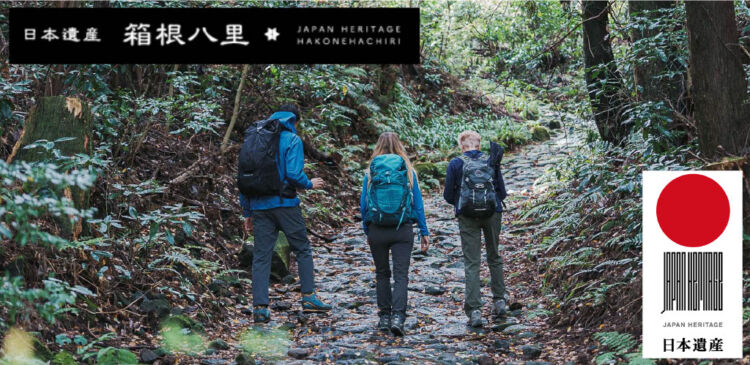

The Hiryu waterfalls flow down in two stages, the upper portion has a height of 15 meters and the lower 25 meters. The name “Hiryu” comes from the shape of the waterfall, which looks like a dragon flying up. It is the largest waterfall in Kanagawa Prefecture, and it is said that during the Kamakura period (1185-1333), practitioners of the Hakone Gongen religion used to bathe in this waterfall to purify themselves on their way to the Kamakura road. The waterfall is made of andesite lava from Mt. Sengen. The mountain trail along the Hiryu waterfalls is on the Tokaido Road used during the Edo period (1603-1868). It was a shortcut road connecting Hatajuku village and Ashinoyu Onsen. The waterfalls can be reached from following the trail north of Hatajuku (40min) or starting from the Yusakaro bus stop (20 min) near Ashinoyu.
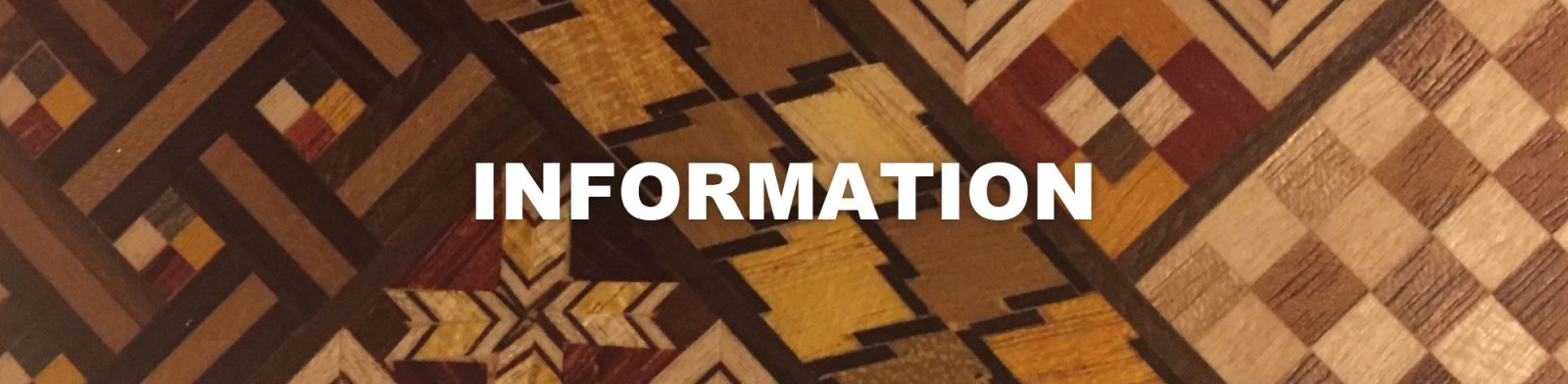
Hatajuku at the foot of the mountain is known as one of the production areas of “Yosegi-zaiku,” a traditional wood craft representing the Hakone and Odawara regions. Yosegi-zaiku is a technique of decorating the surface of boxes and other objects by combining different natural wood colors to create patterns. It has been a popular souvenir of Hakone since the late Edo period.
The huge rock body in the middle of the trail leading to the waterfall is called a “columnar joint.” These cracks were formed when the lava from the eruption cooled down and hardened, and are broken in a regular pattern. They are formed perpendicular to the base or top of the lava and have a hexagonal cross section. The columnar joints along the hiking trail to Hiryu Falls can be observed up close along the trail.