
Owakudani is an area in central Hakone where you can see the traces of the volcanic past of the area. The steaming vents of Owakudani are a main attraction in Hakone and a rare geological site in the world. The origins of Owakudani date back to more than 130,000 years ago when volcanic activity formed the cone shaped mountains in the central area of Hakone. Over the centuries the emergence of new volcanoes and collapse of others created the distinct natural landscape. The present state of the Owakudani area was shaped by the most recent eruption about 3,000 years ago. Japan sits along the Pacific Rim of Fire and is well known for the geological activity which includes earthquakes, volcanoes, and hot springs. The Ring of Fire is a direct result of the plate tectonics around the Pacific Ocean. The area around Hakone is notable because it is one of the few places in the world where three tectonic plates converge. The North American Plate, Filipino Plate, and Eurasian Plate all converge in this area.
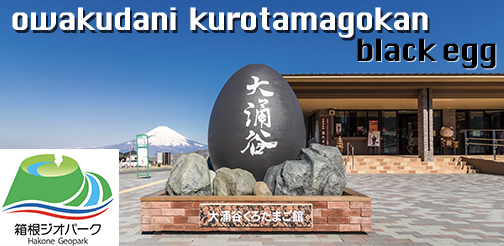
Owakudani has been a place of interest for centuries and was one named Ojigoku, “the Great Hell” during the Edo period (1603-1897) for the sulphurous vapors and hot steaming vents. In 1876, before a visit by the Meiji Emperor(1852-1912) the name was changed to give the area a better image. The term Owakudani now means “Great Boiling Valley”. Owakudani has become a popular geological site for research and tourism. The plumes of magma heated steam, eerie landscape, and geological uniqueness of Owakudani draw many visitors. One popular attraction is the black eggs that get their color from being boiled in the high sulphuric waters of Owakudani. There are also good views of Mt. Fuji from here and a worthwhile museum, the Geomuseum, dedicated to the geologic history of the area.
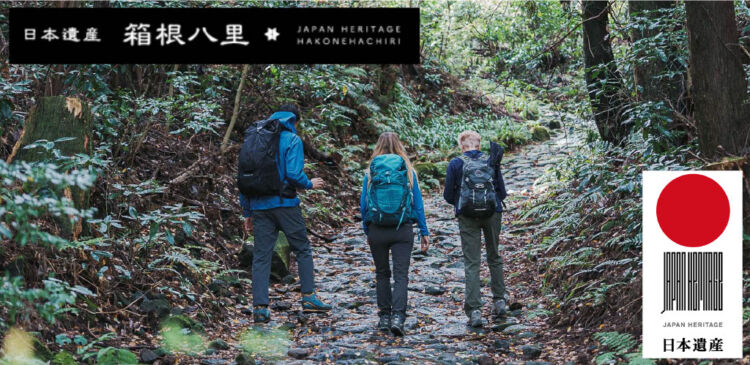
Hiking trails exist around the area, but are frequently closed for safety precautions due to the volcanic gases emitted from Owakudani. The area can be reached by bus or personal car, but is usually accessed by ropeway from Soun Station or Togendai Station.
Volcanic gases (hydrogen sulfide and sulfur dioxide) are released in the area and the intensity of these gases often change. These gases sometimes give the area a pungent smell and are the reason for the lack of vegetation close to the vents. The gases are highly monitored, but if you feel nauseous or begin to have irritation in your eyes or nose, please spend your time in one of the observation areas or make your way down the mountain.
Owakudani is at an altitude of 1040m and highly exposed to the elements. There are some days with high winds and the temperature difference with other parts of Hakone can be quite noticeable because of the wind chill.
It is suggested that people with any of these ailments be particularly cautious:
asthma, respiratory problems, heart problems, pregnant women, newborn babies or small children, the elderly
If the gas density levels become high announcements will be made for your safety.
Owakudani Parking Lot
Fee:
Large car: 1,580 yen Regular car: 530 yen
Motorcycles: 110 yen
Hours of Operation:
9:00 a.m. – 4:00 p.m.
The Owakudani Park is open from 9:00 a.m. to 5:00 p.m. and is closed at night. The park is closed at night.
All entrances and exits to the parking lot will be locked outside of these hours. Please return by closing time. In case of bad weather, the parking lot may be closed even during these hours.