
When autumn arrives in Hakone, the mountain air turns crisp, the lakes grow still, and the forests ignite with brilliant hues of red, gold, and amber. From late October through November, this popular onsen resort town transforms into one of Japan’s most stunning autumn destinations. Whether you’re strolling around a quiet temple, cruising on Lake Ashi, or taking a scenic train ride, Hakone offers countless ways to experience the magic of kōyō—the changing of the leaves. As a local guide, I’d like to share some of the best spots to enjoy Hakone’s autumn colors and a little of the history and meaning behind them.
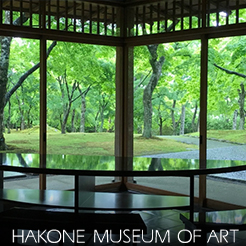
Hakone Museum of Art, Gora
Located near the upper stations of the Hakone Tozan Railway, Gora Park was Japan’s first French-style landscape park, opening in 1914 during the Taishō Era. Its symmetrical layout, stone terraces, and elegant fountains offer a distinctly European charm that contrasts beautifully with the surrounding Japanese mountains. In autumn, the park’s maple and cherry trees catch the golden afternoon sun, their colors glowing against the distant hills. The tea garden and glassblowing studio here make for relaxing stops, and visitors can enjoy matcha while overlooking the fiery foliage. The park’s elevated position gives sweeping views of the valley below—a perfect setting for a peaceful autumn afternoon.
Hakone Open Air Museum
Just a short walk from Gora Station, the Hakone Open-Air Museum combines modern art and nature in a way that feels almost spiritual. As autumn deepens, the museum’s sprawling lawns and outdoor sculptures are framed by crimson and orange leaves. The works of Henry Moore, Picasso, and Taro Okamoto seem to come alive in the shifting autumn light. The museum’s concept—to blend art with nature—feels especially fitting this time of year, when the landscape itself becomes a living masterpiece. For visitors looking to slow down, the outdoor footbath fed by hot spring water is a warm and relaxing way to soak in both art and autumn color.
Riding the Hakone Tozan Railway
The Hakone Tozan Railway is famous year-round for its scenic beauty, but autumn is when this little mountain train truly shines. Winding its way from Hakone-Yumoto up to Gora, the train passes through steep valleys, over bridges, and along hillsides ablaze with maple and beech trees. The line’s switchbacks—where the train must reverse direction to climb the mountains—offer multiple angles of the colorful landscape. For many visitors, the journey itself becomes one of Hakone’s highlights. The best time to ride is in early to mid-November, when the upper elevations are at peak color. Try to grab a seat on the left side of the train heading uphill for the best views.
Lake Ashi
Few places capture Hakone’s natural beauty like Lake Ashi, a caldera lake formed over 3,000 years ago after volcanic activity reshaped the region. The lake’s calm waters mirror the surrounding mountains, and when autumn arrives, this reflection doubles the impact of the scenery. On clear days, Mount Fuji can be seen rising beyond the red and gold slopes—a sight that has inspired poets and artists for centuries. Taking a cruise on one of the sightseeing boats allows you to see the foliage from different angles, while a walk along the lakeside paths near Hakone Shrine or the Hakone Sekisho checkpoint adds historical depth to your visit. The Sekisho was once an Edo-period inspection station, where travelers were carefully monitored along the Tōkaidō Road. Today, it stands peacefully among the blazing colors of autumn, a reminder of Japan’s long history of travel and transformation.
Hakone Shrine
Tucked away in the forest along the shores of Lake Ashi, Hakone Shrine is one of the most sacred places in the region. Founded in the 8th century, it has long been a site of prayer for safety in travel and success in life. In autumn, the shrine’s towering cedars are joined by a canopy of brilliant red maples that line the approach. The iconic Heiwa no Torii (Peace Torii Gate), standing partly in the waters of the lake, creates a stunning contrast with the foliage on the surrounding hillsides. Many visitors come at sunrise or sunset to capture the reflection of the gate and the golden hues dancing on the lake’s surface.
Pampas Grass Fields of Sengokuhara
While many people associate autumn with fiery red leaves, Sengokuhara offers a completely different palette. Here, tall silver pampas grass (susuki) turns a shimmering gold as the sunlight hits it, creating waves that ripple across the hillside. The area was once an ancient lake bed and later used for grazing horses in the Edo period. Today, it’s one of Hakone’s most photogenic autumn spots. The best time to visit is from late September through October, when the grasses are at their peak. Walking the narrow path through the field feels almost otherworldly, especially when the wind catches the plumes and sends them swaying like golden silk.
Choanji Temple, Sengokuhara
Nestled deep in the forests of Sengokuhara, Choanji Temple is one of Hakone’s hidden gems. Known for its hundreds of unique rakan (stone disciple) statues scattered throughout the temple grounds, it offers a blend of humor, peace, and mystery. Each statue has its own expression—some smiling, some meditating, others deep in thought. In autumn, the surrounding maples create a warm canopy over these ancient figures, making it one of the most photogenic and peaceful spots in the region. The temple was founded in the 14th century and still retains the quiet, contemplative atmosphere of old Japan.
A Season of Reflection and Renewal
Hakone’s autumn is more than just a visual feast—it’s a time to reflect and reconnect with nature. The changing leaves remind visitors of wabi-sabi, the Japanese appreciation for impermanence and beauty in transition. Whether you’re walking among centuries-old temples, admiring art beneath a glowing canopy, or simply soaking in an onsen while gazing at the mountains, the colors of Hakone will leave you with memories that linger long after the last leaf has fallen.
So this autumn, take your time. Ride the train slowly up the mountain, breathe in the crisp air, and let Hakone’s autumn colors show you the heart of Japan’s natural beauty.